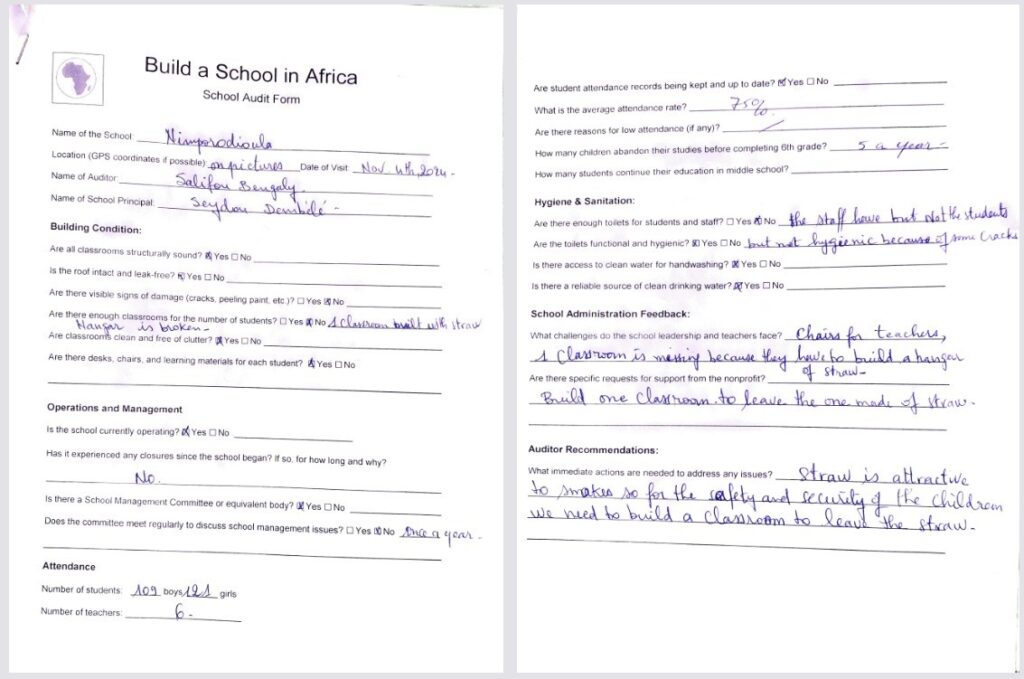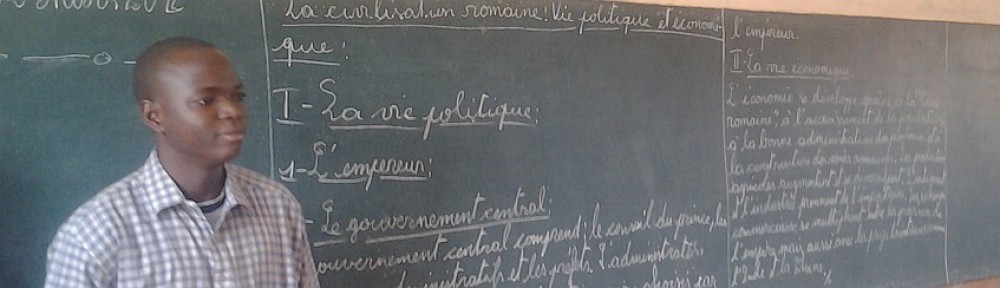
In 2024, the Board or Directors took the initiative to evaluate how our schools are doing, years after they were built. We hear anecdotally from our contacts in Mali that the schools are all doing well, but we wished to verify this by doing an independent check to see how our schools are holding up and how they are functioning. To that end, we hired a Malian professional, a former Peace Corps language instructor who now works as a teacher and interpreter in Bamako. In November 2024, he visited 8 schools and sent us over 100 photos.
The main takeaway is that all of the schools he visited are open and functioning.
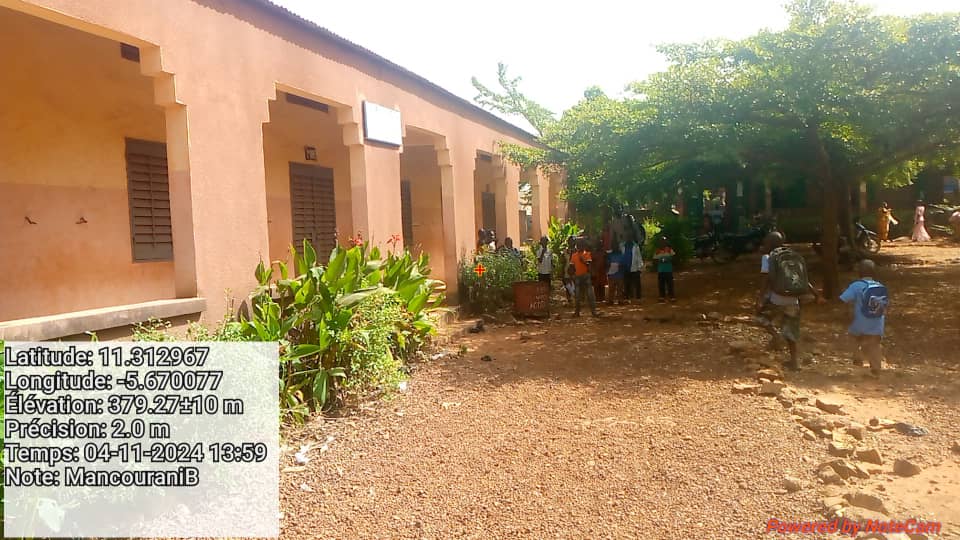
There are some maintenance needs at a few schools. and overcrowding is becoming an issue in others. Some communities struggle to finance the teacher’s salaries and to purchase enough supplies and materials. For example, one school did not have enough chairs, and at another school, there is no nearby water source.
The fact that overcrowding is becoming an issue is a testament to the demand for education among villagers in rural Mali. More families are choosing to send their children to school than a generation ago. This is a big shift from the 1990s, when I served as Peace Corps volunteer in the Segou region of Mali.
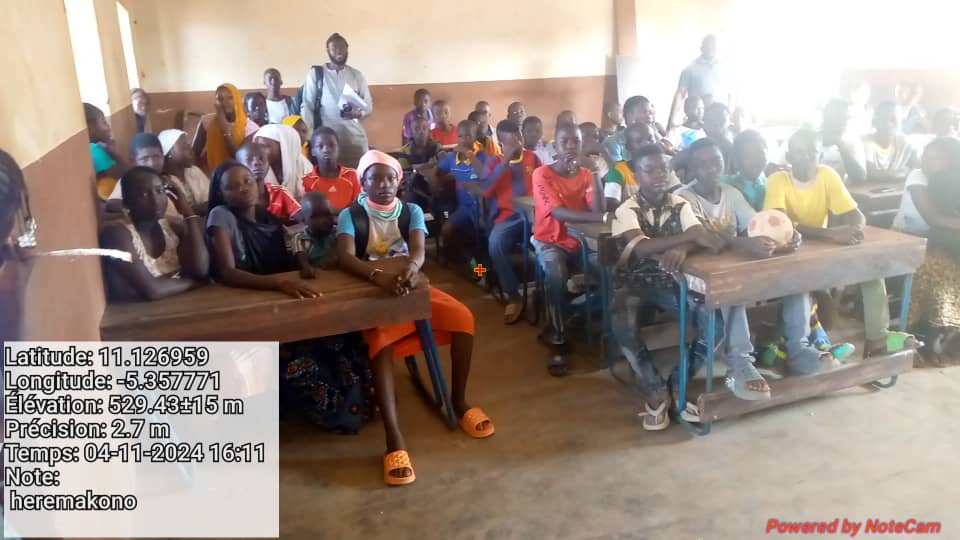
In some cases, villagers have constructed additional buildings out of mud bricks or millet stalks to house the overflow. In some schools, the classrooms host double shifts of students, one grade in the morning, and another in the afternoon. So each student is only attending half a day of school, and every teacher is teaching two different grades.
Our auditor noted that the schools all have basic supplies, but that it’s common for children to have to share books in groups of 2 or 3. He mentioned that the teachers sometimes do not have enough manuals and other teaching supplies, or have to buy these themselves.
Most of our schools have toilets (latrines), water, and hand-washing stations. However, there are some problems at some schools, for example Gongasso does not have available water nearby. In Tabakoro, the hand-washing equipment is broken and has not been replaced.
For the past 20 years, we have focused almost entirely on building schools in partnership with local communities in Mali. Our mission is simple and the work we do is essential, but the work does not stop there. Mali is among the poorest countries in the world. Every village has a school management committee which is responsible for its operation, with support from the local government and the national Ministry of Education.
In 2025, the Board is considering expanding our role, by helping schools to fund maintenance, or to provide small grants to purchase school supplies and books. If this is something that interests you, please get in touch or consider making a donation.
Overall, the villages where we have helped build schools are doing very well in terms of enrollment. Girls education is strong, at least at the primary school level. In most of the schools, the ratio of girls to boys is about 50:50.
A few generations ago, few children in rural Mali attended school. A cultural shift has occurred, and today, many parents want their sons and daughters to go to school. We are proud to have played a small part in this revolution.
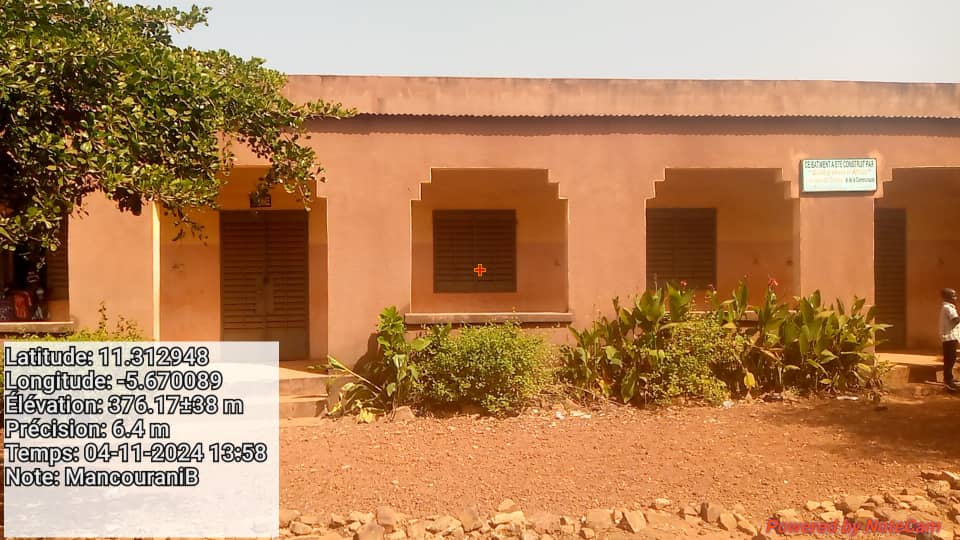
In the communities we have helped, the schools are a point of pride. And having a clean, modern schoolhouse helps the community to recruit teachers, which is often difficult for rural schools.
The demand for school construction projects remains high. Our auditor frequently mentioned (1) villages that need middle schools, or where (2) more classrooms are needed, or (3) the distance to the school is high, and more schools would alleviate this.
At all of our schools, we fund the purchase of building materials like cement, doors and windows, and paint. We also pay for skilled labors — the masons and builders. The community comes together to provide additional labor, and materials like sand, gravel, and water to make the concrete blocks. Also importantly, the village comes together to feed the workers and to house them during their stay. It is your financial assistance helps make these projects possible. Thank you!